


SUVs today are divided into two main groups: body-on-frame and unibody. With a body-on-frame structure, the vehicle body is mounted on a separate frame, similar to pickup trucks. This platform is commonly used in models in Vietnam such as the Toyota Fortuner, Ford Everest, Isuzu mu-X, and Mitsubishi Pajero Sport.
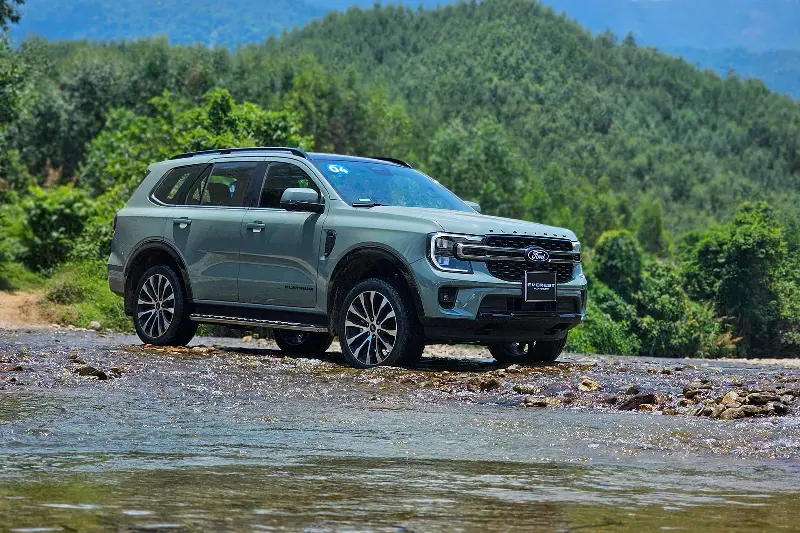
This layout offers advantages in durability and load-bearing capacity, and is considered the "king" of harsh terrain. However, when operating in everyday urban conditions, it reveals significant drawbacks that buyers need to be aware of to determine whether the trade-offs are acceptable.
The initial purchase price was significantly higher.
One of the most noticeable drawbacks of body-on-frame SUVs is their significantly higher initial ownership cost compared to crossovers of the same brand. This is because the cost of producing a separate steel chassis is always higher than stamping a single piece, as it requires creating a separate frame structure, suspension system, drivetrain, and equipment for towing or off-road capability.
This is directly reflected in the selling price. According to Edmunds, in the US, a Chevrolet Tahoe with a body-on-frame chassis costs more than $20,000 more than a Chevrolet Traverse with a unibody chassis, even though both are large SUVs.