


Ultra-processed foods – a potential risk factor in many chronic diseases.
In today's increasingly busy modern life, ultra-processed foods have become a popular choice due to their convenience, ease of use, and appealing taste. However, behind this convenience lie significant warnings from experts about their long-term impact on human health.
What are ultra-processed foods?
Ultra-processed foods are a group of products that have undergone many industrial processing steps and often contain many ingredients such as sugar, salt, unhealthy fats, and additives such as preservatives, artificial colors, and synthetic flavorings.
This food group includes fast food, sugary soft drinks, packaged snacks, instant noodles, sausages, processed meats, and many types of industrially produced confectionery.
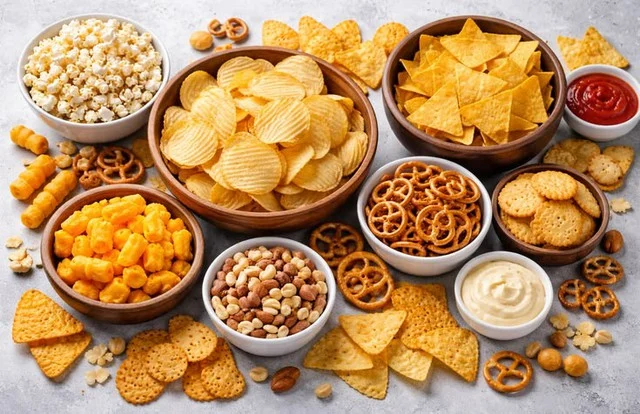
Ultra-processed foods like instant noodles, snacks, and soft drinks are becoming increasingly common in modern meals. (Illustrative image)
Health effects
According to Dr. Le Thi Huong Giang (Head of the Nutrition and Dietetics Department, 19-8 Hospital, Ministry of Public Security ), regular consumption of ultra-processed foods can increase the risk of developing many chronic non-communicable diseases.
Commonly mentioned diseases include obesity, type 2 diabetes, hypertension, dyslipidemia, and cardiovascular disease. Some studies have also shown a link between diets rich in ultra-processed foods and chronic inflammation in the body.
The main reason is that this type of food is often high in energy but deficient in micronutrients, easily leading to excess calories and metabolic disorders if consumed over a long period.
Impact on eating habits
Besides directly impacting health, ultra-processed foods also affect eating behavior. Regular consumption tends to replace fresh foods, reducing the amount of vegetables, fruits, and fiber-rich foods in the diet.
The habit of eating fast food and consuming processed foods over a long period can also contribute to nutritional imbalances and affect the digestive system.
Expert advice
Dr. Giang advises minimizing the use of ultra-processed foods in daily diets. Instead, it is necessary to increase the consumption of fresh, nutritious foods such as green vegetables, fruits, whole grains, and homemade meals.
A balanced, healthy diet not only helps control weight but also contributes to reducing the risk of non-communicable chronic diseases – a group of diseases that are on the rise in society today.