


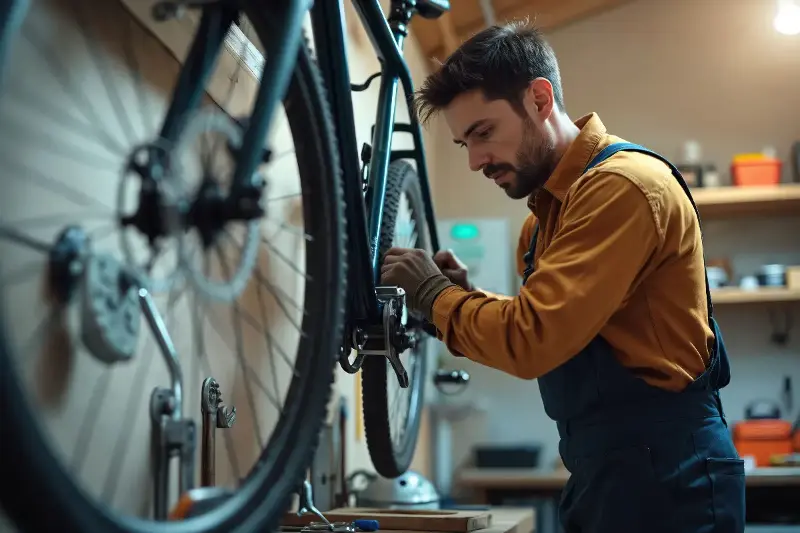
A bicycle rarely becomes sluggish all at once. More often, it collects a series of minor issues: a dry chain, underinflated tyres, rubbing brakes, loose bolts, and hidden road grit. The good news is that a simple home service can completely transform your ride. Investing an hour in basic maintenance makes an older bike feel quieter, faster, safer, and remarkably close to brand new.
Before getting started, position your bicycle somewhere stable with ample lighting:
- Setup Options: A dedicated repair stand works best, but resting the bike against a wall or resting it upside down on a clean towel works just as well.
- Essential Tools: Gather a bucket of warm water, mild soap or bike cleaner, soft brushes, clean rags, chain lubricant, a tyre pump with a pressure gauge, and a basic multi-tool.
Start with a Proper Clean
Cleaning is far more than a cosmetic touchup. Dirt holds moisture against metal components, accelerates wear on drivetrain parts, and conceals potential frame damage.
Begin by gently rinsing away loose mud with a light stream of water. Avoid high-pressure washers, as they can force water past protective seals and into delicate internal bearings.
- Frame & Wheels: Wash from the top down using a soft brush and soapy water to prevent dirty water from running over freshly cleaned areas.
- Drivetrain Precision: Use a specialized firm brush or toothbrush to clear buildup from the cassette, chainrings, derailleur wheels, and brake calipers.
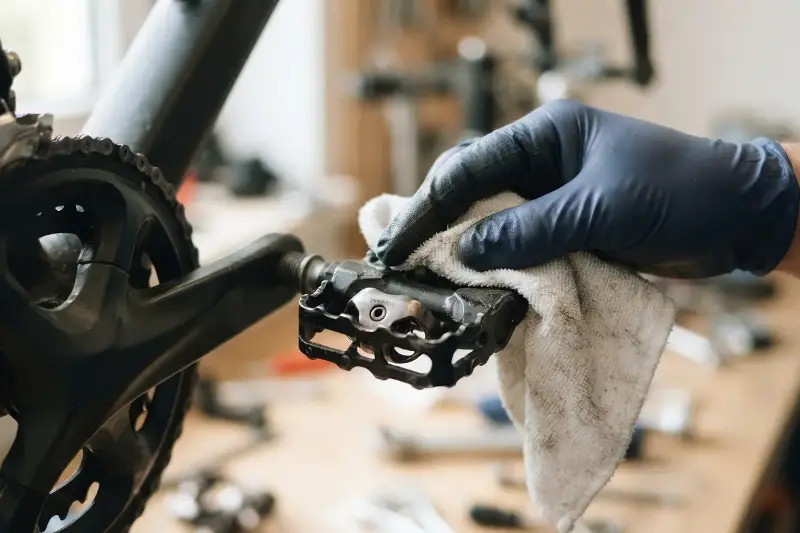
- Degreasing: Apply a bike-specific degreaser to a heavily blackened chain, let it sit briefly, and wipe it dry with a clean cloth before inspecting for stiff links or wear.
Refresh the Chain and Gears
The chain transfers every bit of your effort into forward movement, yet it remains one of the most neglected components. Once clean and completely dry, apply one small drop of lubricant to each individual roller while slowly rotating the pedals backward.
Choose wet lube for rainy conditions or dry lube for dusty roads. After applying, rotate the cranks several times and thoroughly wipe away any excess oil from the outer plates—extra lubricant on the outside only attracts unwanted grit.
To fine-tune shifting, test gears while lifting the rear wheel:
- If shifting hesitates, make tiny quarter-turn adjustments to the barrel adjuster on the derailleur.
- Turning the adjuster counterclockwise adds cable tension, helping the chain climb smoothly to larger rear cogs.
Check Tyres and Wheels
Correct tyre pressure completely changes the personality of your bike. Underinflated tyres feel sluggish and invite pinch punctures, while overinflated tyres create a harsh ride with reduced cornering traction.
Check the recommended pressure range printed directly on the tyre sidewall, adjusting for your riding surface and body weight:
- Pressure Range: Wider commuter tyres (around 35 mm) often perform best between 45 and 65 psi, whereas wide mountain bike tyres require far less.
- Visual Inspection: Examine tread surfaces for embedded glass, deep cuts, or unusual sidewall bulges.
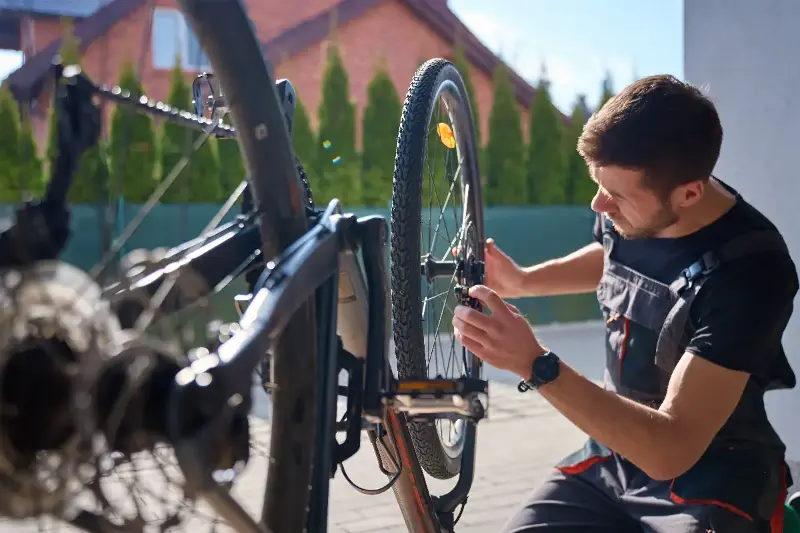
- Wheel Alignment: Spin each wheel to check for major wobbles or loose spokes; a wheel rubbing against frame parts or brake pads should be trued.
Make Brakes Feel Sharp Again
Responsive, crisp braking builds immediate confidence. Squeeze both brake levers to verify they feel firm and return quickly without touching the handlebars.
Maintain your stopping power with these focused steps:
- Rim Brakes: Inspect pads for uneven wear or metal debris embedded in the rubber. Ensure pads align squarely with the braking track, never touching the tyre rubber.
- Disc Brakes: Inspect pad thickness through the caliper window. Never allow lubricants or oils near disc rotors or pads, as contamination causes severe squealing and weak braking.
- Surface Cleaning: Wipe disc rotors with isopropyl alcohol and a lint-free cloth to restore clean, silent stopping power.
Tighten Essential Fasteners
Bicycles experience constant road vibration, which can loosen hardware over time. Walk around your bike with a multi-tool to confirm that the handlebars, stem, saddle, seatpost clamp, pedals, and accessory racks are secure.
Be careful not to overtighten bolts, especially on lightweight alloy or carbon components. If using quick-release wheel skewers, ensure they close with enough resistance to leave a brief impression on your palm.
Finally, lift the bike a few centimeters and let it settle onto its tyres to listen for stray rattles. Finish with a brief test ride—shifting through gears and testing your brakes—to enjoy a remarkably smooth, quiet, and revitalized ride.