


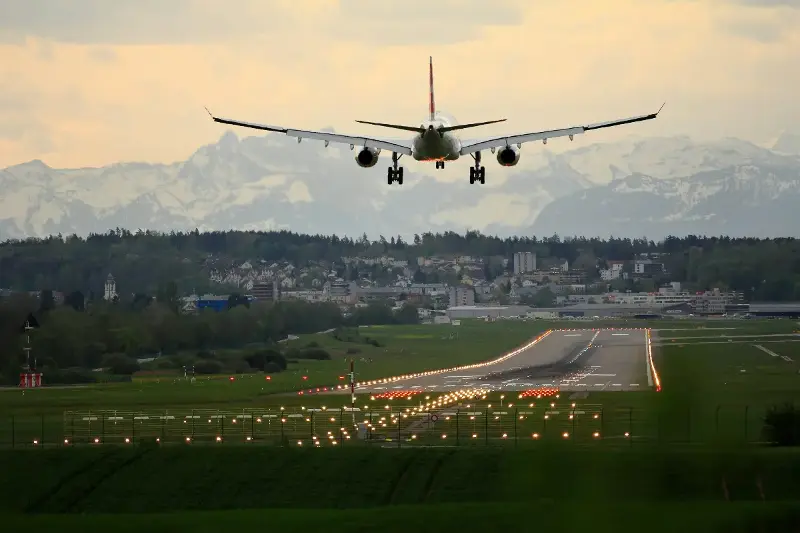
Air travel makes the world feel remarkably open, yet maps of the sky contain invisible boundaries that pilots cannot casually cross. Some restrictions guard national security, while others shield wildlife, historic sites, or communities on the ground. Temporary closures even appear during major events or natural disasters. These unique no-fly zones reveal that aviation is not simply about getting from one airport to another. It is about protecting sensitive places, privacy, public safety, and irreplaceable cultural treasures.
The White House and Washington’s Guarded Airspace
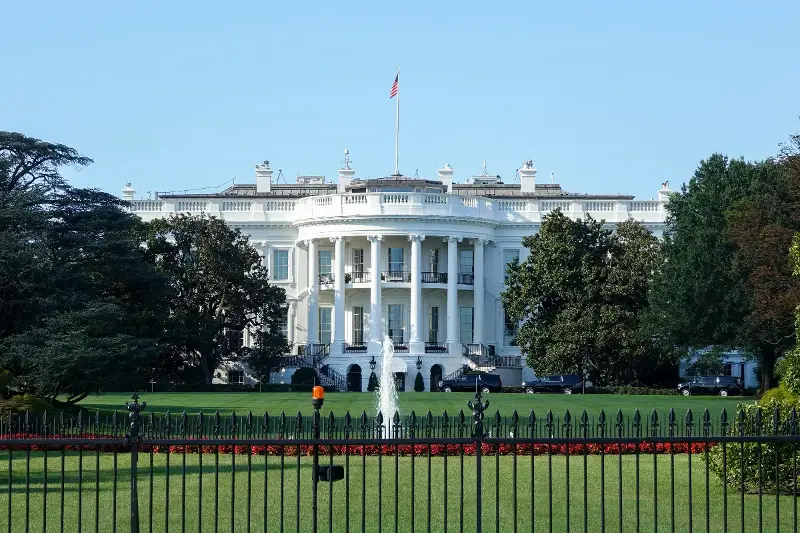
One of the most famous restricted airspaces in the world lies directly above Washington, D.C. Following the events of September 11, 2001, the United States introduced exceptionally strict regulations around the nation’s capital. The core zone, designated as Prohibited Area P-56, covers crucial landmarks such as:
- The White House
- The Naval Observatory
- The National Mall
Aircraft are strictly forbidden from entering this zone without special authorization. Furthermore, the city is encircled by the Special Flight Rules Area, extending roughly 30 nautical miles from Ronald Reagan Washington National Airport. Pilots navigating this region must follow rigorous identification and communication protocols. These restrictions extend to unmanned drones, ensuring that government centers and national monuments remain secure.
Mecca and the Protection of Sacred Spaces
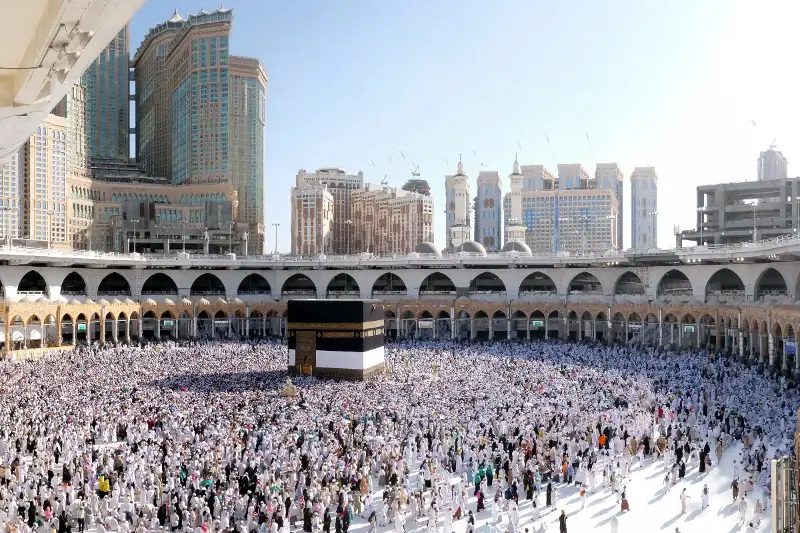
Mecca, Saudi Arabia, stands as the spiritual heart of Islam, attracting millions of visitors each year. The city houses the Grand Mosque and the Kaaba, the point toward which Muslims worldwide face during daily prayer. To honor its profound cultural and religious significance, authorities strictly regulate the sky overhead.
Low-altitude flights over the holy sites are restricted, particularly during the Hajj pilgrimage. Helicopter and fixed-wing flight paths are carefully managed to achieve key goals:
- Minimizing noise and disturbance for worshippers
- Maximizing safety during massive gatherings
- Maintaining orderly emergency services and sky surveillance
What photographs of Mecca rarely show is this intricate aviation planning. Managing the airspace keeps the sacred atmosphere tranquil while preserving the safety of millions on the ground.
Antarctica’s Extreme and Quiet Atmosphere
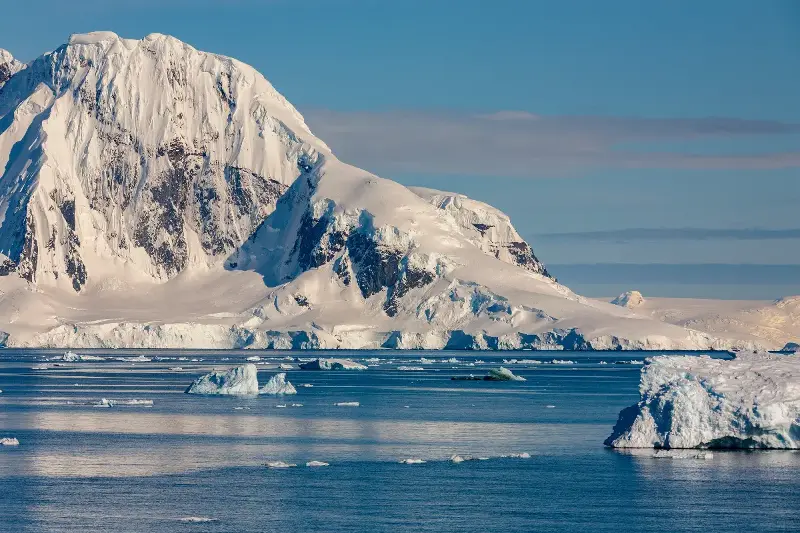
Antarctica features no permanent cities or regular commercial flight networks, yet its skies are far from unrestricted. Flying over the frozen continent presents extreme challenges due to unpredictable whiteouts, severe cold that affects engines and fuel, and diversion landing strips located thousands of kilometers away.
Beyond natural hazards, strict guidelines exist under the Antarctic Treaty System to preserve its pristine environment. Flight paths near animal populations are carefully monitored:
- Bird colonies and nesting grounds must be given wide clearance to prevent panic.
- Seal habitats are protected from low-altitude noise that could cause mother-offspring separation.
- Scientific research sites are kept free from excess pollution and acoustic disruption.
Here, flight limits are not about military secrecy; they exist to safeguard one of the planet's last undisturbed wildernesses.
National Security and the Skies of Nevada
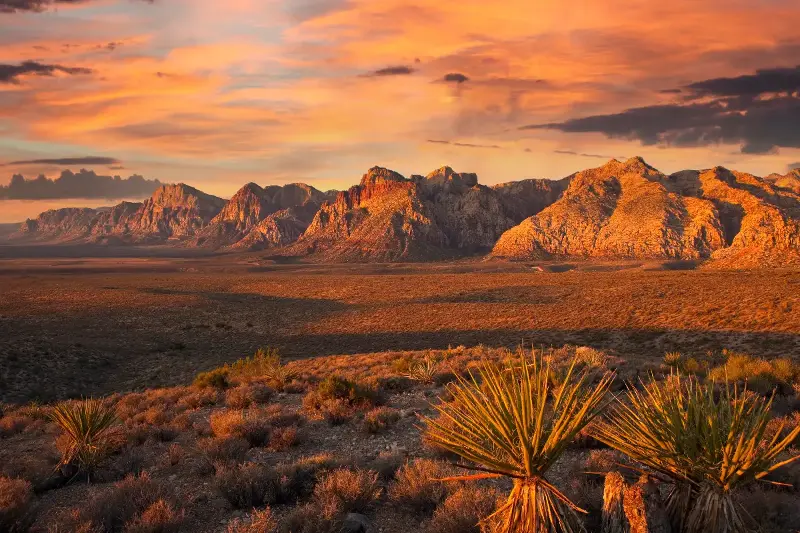
Few locations have inspired as much fascination as the remote military testing grounds in the Nevada desert. Associated with the expansive Nevada Test and Training Range, this high-security region sits beneath restricted airspace known as R-4808N.
Historically, this secluded zone was used to develop and test groundbreaking aerospace technology, including legendary experimental aircraft. The strict secrecy surrounding these flight tests fueled decades of popular myths, strange sight reports, and pop-culture legends. However, the operational purpose of the boundary remains entirely practical:
- Protecting advanced aviation technology from unauthorized observation
- Ensuring safe trials for experimental flight systems
- Maintaining rigorous national security standards
While curiosity draws travelers to nearby desert highways, the sky above remains one of the most tightly controlled spaces in North America.
Wildlife Reserves Where Silence Matters Most
Not all restricted flight zones protect human cities or research facilities. Across the globe, minimum altitude requirements are enforced over national parks, marine sanctuaries, and nature reserves.
Low-altitude noise from airplanes or helicopters can trigger severe flight responses in animals. During sensitive breeding seasons, sudden disruptions can cause wildlife to abandon their young or expend vital energy fleeing imagined threats.
In places like Hawaiʻi Volcanoes National Park, aerial tours provide breathtaking views of natural wonders. However, pilots must adhere to designated altitudes and designated flight corridors. Responsible aviation recognizes that preserving natural quiet is essential to keeping ecosystems healthy and undisturbed.

Temporary Flight Restrictions for Urgent Moments
Some of the most critical sky restrictions last only hours or days. Known as Temporary Flight Restrictions, these short-term zones are established for dynamic events:
- Major sporting tournaments and high-profile public gatherings
- Rocket launches and aerospace operations
- Wildfire containment operations and disaster relief
During emergency responses, clear skies are critical. Unplanned aircraft or recreational drones operating near fire zones force firefighting helicopters and water bombers to ground their fleets immediately to avoid mid-air collisions. Respecting these temporary boundaries allows emergency crews to protect lives and property without interruption.
No-fly zones highlight a fascinating truth about our world. They boundary-line places of deep faith, scientific discovery, natural wonders, and vital safety. Understanding these hidden sky borders adds a layer of appreciation to every journey: the world below is vast, but certain spaces are protected because of their extraordinary value.