



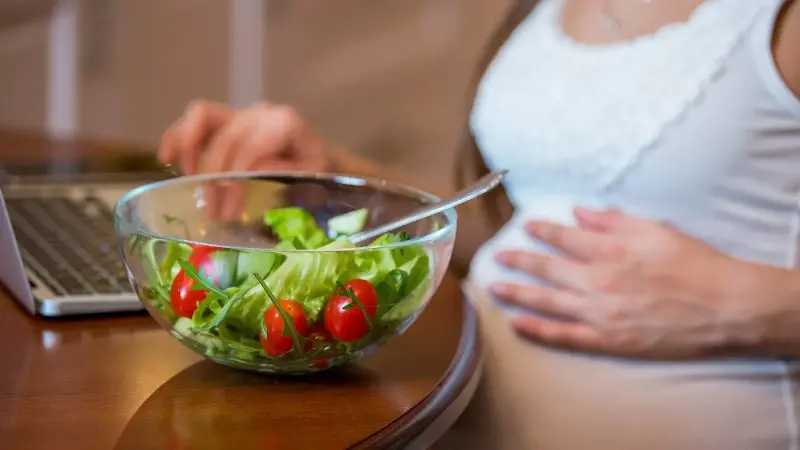
Most women assume gestational diabetes disappears the moment their baby arrives. It's a comforting thought, and a dangerous one. Research published in Frontiers in Clinical Diabetes and Healthcare shows that up to half of women with gestational diabetes develop Type 2 diabetes within five years of delivery, and the metabolic consequences don't stop with the mother; children born to mothers with gestational diabetes face a significantly higher risk of childhood obesity and early insulin resistance. The postpartum period isn't just about recovery. It's a metabolic window, and what a new mother eats during this time can protect both her and her baby from a future of blood sugar problems.
Why does the risk not end with delivery?
Gestational diabetes is often treated as a temporary condition. But the insulin resistance that caused it doesn't simply reset after childbirth. "For many women, particularly South Asian women, who carry a higher baseline metabolic risk due to greater visceral fat relative to body weight, the postpartum months are when the trajectory toward permanent diabetes is quietly set", Metabolic Health Physician Dr Gagandeep Singh tells Health Shots.
The problem is compounded by how we traditionally approach postpartum nutrition in India. New mothers are often encouraged to eat calorie-dense foods with generous amounts of ghee-laden sweets, sugary laddoos, and refined carbohydrates. The intention is nourishment, but the metabolic effect can be the opposite, spiking blood sugar and deepening insulin resistance at precisely the wrong time.
What does a protective postpartum diet actually look like?
Protecting yourself doesn't require complicated meal plans. It requires restructuring what's already on your plate.
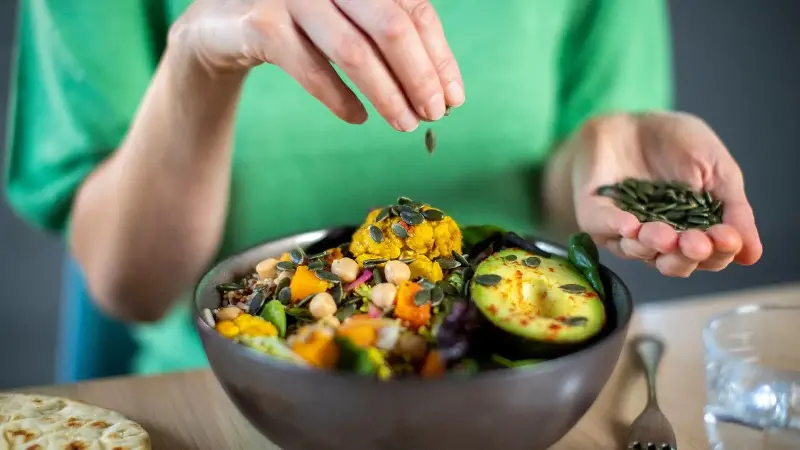
- Start with protein at every meal. Eggs, chicken, fish, paneer, and Greek yoghurt should form the foundation, not an afterthought. Adequate protein intake (roughly 25-30 grams per meal) helps preserve muscle mass during a period of significant physical stress.
- Muscle is a metabolically active tissue; it acts as a glucose sink, pulling sugar from the bloodstream even at rest. Losing muscle postpartum, which crash diets and poor protein intake guarantee, worsens insulin resistance over time.
- Next, reduce refined carbohydrates strategically. This doesn't mean eliminating roti or rice entirely. It means ensuring that protein and vegetables occupy most of the plate, and that carbohydrates are an added element rather than the centrepiece. Meal sequencing matters; eating protein and fibre before carbohydrates at each meal blunts the glucose spike by a measurable amount.
- Healthy fats, such as desi ghee, butter, olive oil, and coconut oil, are not the enemy. They support hormone recovery, sustain energy between feeds, and keep you satiated longer. The real culprits are processed seed oils and the sugar hidden in traditional postpartum snacks.
Breastfeeding is a metabolic tool
Beyond its well-known benefits for the baby, breastfeeding improves the mother's glucose metabolism. The American Diabetes Association have shown that sustained breastfeeding is associated with improved postpartum glucose tolerance and a reduced long-term risk of Type 2 diabetes. It's one of the few interventions that simultaneously benefits the mother and the child.
Protecting the baby starts with protecting yourself
Here's what most new mothers don't hear: your metabolic health directly shapes your child's metabolic future. Children exposed to maternal hyperglycaemia in utero are more likely to develop obesity and insulin resistance in childhood, independent of genetics. By stabilising your own blood sugar through simple dietary changes, you're not just protecting yourself. You're giving your child a healthier metabolic starting point.
The postpartum period is often chaotic, sleep-deprived, and overwhelming. But the dietary shifts that matter most are surprisingly simple: prioritise protein, reduce sugar, and stop treating traditional calorie-dense postpartum foods as mandatory. Your body and your baby's future will thank you.